
Federal Judge Allows Retaliation Lawsuit Against Lake Stevens Police to Proceed
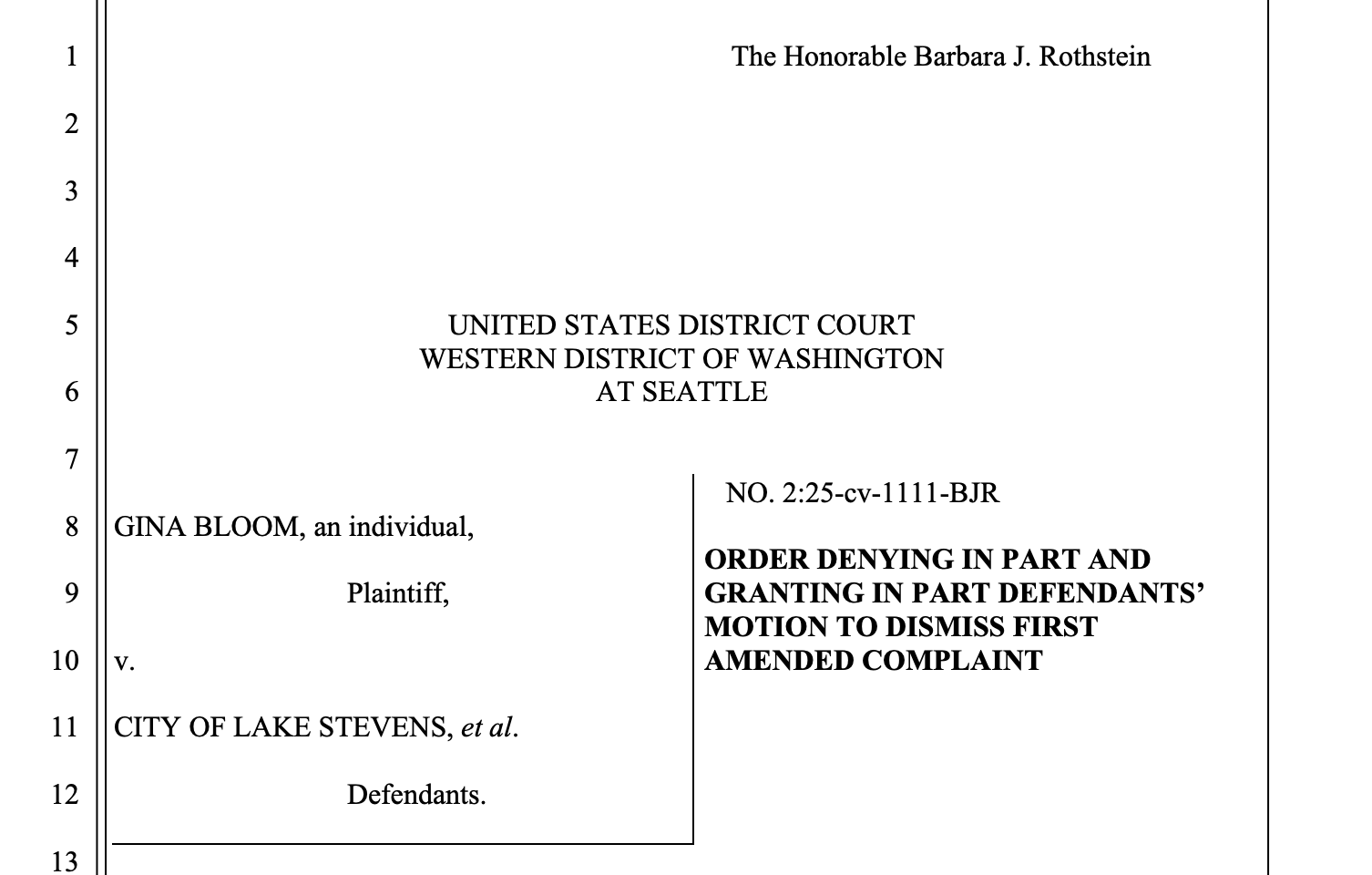
On April 16, 2026, the Honorable Barbara J. Rothstein of the United States District Court issued a pivotal order regarding a lawsuit filed by domestic violence survivor Gina Bloom.
According to the ruling, the court has allowed Bloom’s core allegations of retaliation and malicious prosecution against the City of Lake Stevens and its police officers to move forward.
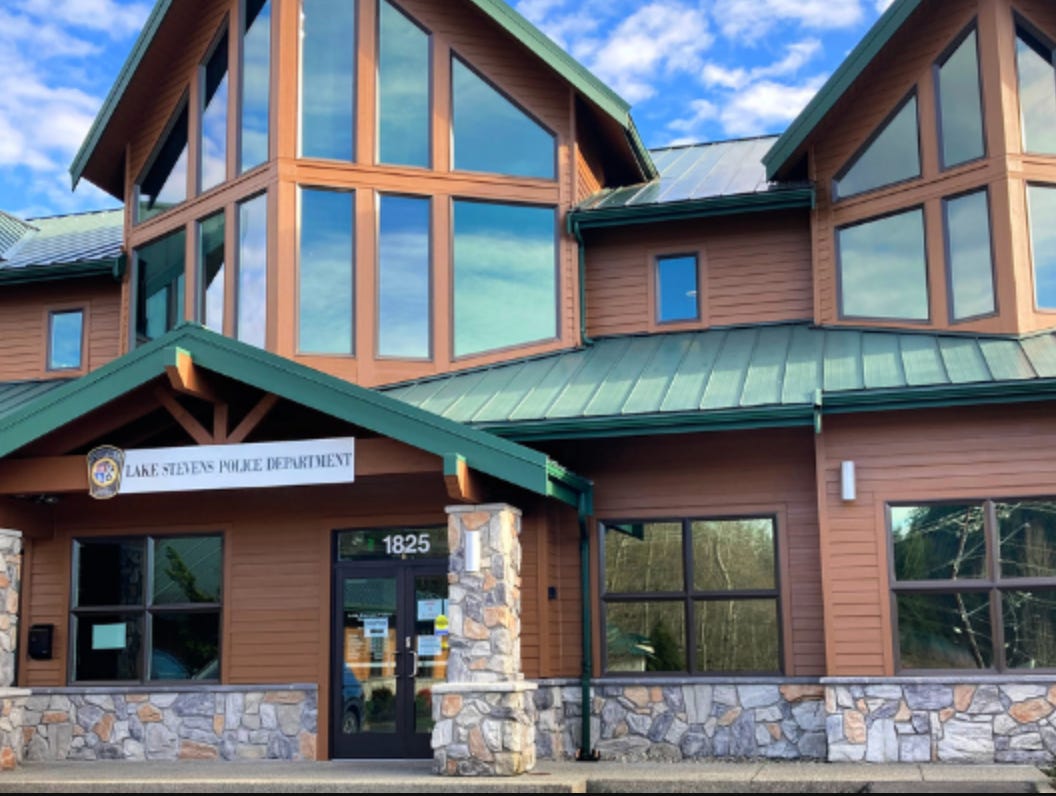
For years, Bloom has fought to be heard after reporting multiple incidents of domestic violence to the Lake Stevens Police Department. The current federal lawsuit, however, must be viewed against the backdrop of her highly contentious experiences within the family court system.
The Allegations Involving Appointed Officials
According to public records and widespread public sentiment in Clallam and Snohomish counties, the family court systems have faced heavy criticism, often centering on figures like Brian Parker.
Appointed as a guardian ad litem during Bloom’s divorce proceedings, Parker is a highly controversial figure whose methods have drawn intense public scrutiny.
According to allegations surrounding her family court case, Parker wielded immense influence over the custody proceedings. It has been alleged by critics that despite lacking formal training in mental health diagnosis, Parker diagnosed Bloom. Furthermore, Parker bizarrely questioned her motivations for reporting abuse.
The Federal Ruling
It is within this context of alleged systemic failure that Bloom brought her current lawsuit against the Lake Stevens police.
According to the First Amended Complaint, Bloom reported that she was abused by her ex-husband, but she alleges the police failed to adequately investigate. Furthermore, she claims the police actively retaliated against her after she publicly criticized the department and filed internal complaints.
In response to the lawsuit, the defense attempted to have the entire federal case dismissed, arguing that it constituted “abusive litigation.” However, Judge Rothstein rejected that argument in her order.
Malicious Prosecution Claims Move Forward
A central component of Bloom’s lawsuit is the allegation that police officers intentionally withheld material exculpatory evidence, leading to her being maliciously prosecuted without probable cause.
According to the ruling, the federal court found these allegations sufficient to proceed to the next phase of litigation.
Judge Rothstein wrote that Bloom “has plausibly alleged both the absence of probable cause and a causal connection between Defendants’ conduct and the prosecution.”
The court also recognized the validity of Bloom’s First Amendment retaliation claim based on these actions, stating:
“The alleged initiation and continuation of criminal proceedings constitute a concrete and coercive form of government action that, if undertaken for retaliatory purposes and without probable cause, is sufficient to support a First Amendment retaliation claim.”
Denying Qualified Immunity for Alleged Misconduct
The defense also argued that the individual officers should be shielded by qualified immunity. The court disagreed regarding the core charges of malicious prosecution and retaliation.
Addressing Bloom’s allegations that officers initiated proceedings “by withholding material exculpatory evidence or otherwise misleading the prosecutor,”
Judge Rothstein declared that “If proven, such conduct would violate clearly established law.”
Therefore, according to the order, “the individual defendants are not entitled to qualified immunity on these claims” at this stage.
Next Steps in the Litigation
While the court did dismiss some of Bloom’s claims—such as Equal Protection, Due Process, and municipal liability theories—these dismissals were largely procedural at this point.
The judge explicitly noted that many of these counts are “DISMISSED without prejudice and with leave to amend,” granting Bloom 45 days to file an amended complaint with more specific factual details if she chooses.
Thank you for exposing this pattern of the police failing to protect DV victims. I am eager to see Justice for the harm done to Gina and her two boys. She is a dear friend & passionate advocate for Domestic Violence Survivor mothers.
Makes me think of that Netflix show Victim/Suspect where rape victims were falsely charged with false reporting. And there was another show from Lynwood? I think it was called Unbelievable. What is wrong with these cops? They retaliate against victims but side with abusers?