
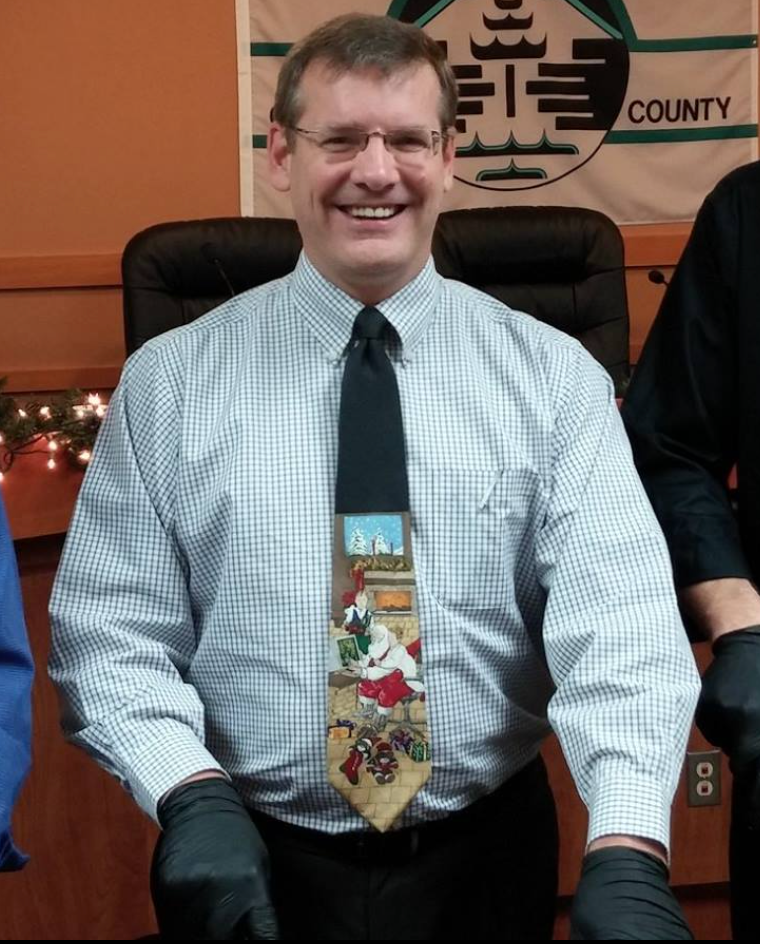
Following the sudden removal of Court Commissioner Brian Parker earlier this week, the Clallam County Superior Court schedule for tomorrow, February 13, 2026, confirms that Judge Brent Basden will personally take over the Family law calendar, in Courtroom 3 at 9:00 AM.
For many in Clallam County, this scheduling change is not a return to order, but a reopening of old wounds. Judge Basden, now personally assumes control of the cases involving the county’s most vulnerable families.
This transition places the spotlight squarely on Basden’s own judicial record—a record that community members and survivors say is defined by decisions that have left a trail of preventable tragedies.
A Legacy of Deadly Decisions
While the recent scandal involving Brian Parker’s perjury and stalking allegations has dominated headlines, long-time observers of the Clallam County court system point to a deeper, more systemic issue rooted in Judge Basden’s past rulings.
We recently covered two specific cases, which have become rallying cries for those demanding reform.
- The Murder of Gary Borneman (2014): In a harrowing domestic violence case, survivor Becky Kardonsky publicly stated she “pleaded” with the court for supervised visitation, citing extreme fear of her partner, Gary Borneman. Judge Basden denied this request. Shortly after, Borneman murdered Kardonsky’s boyfriend and held her at gunpoint. Kardonsky later wrote, “The tragedy all could’ve been prevented if the judge does his job.”
- The Death of Gary Blanton III (2015): In a custody battle involving a toddler, DSHS caseworkers raised alarms about the safety of the child’s placement. Basden ignored their warnings. Two months later, the child died.
When confronted with the outcomes of his rulings, Basden has historically deflected responsibility, stating that he “doesn’t get off the bench, get in the car and drive over to the home.”
Ignored Warnings and Systemic Failures
The community’s distrust has been further fueled by the revelation that the “training deficit” observed in Commissioner Parker begins at the top.
- No Training Records: In response to administrative requests, the court confirmed it has “no records” that Judge Basden has received training in domestic violence, sexual abuse, or CPS/DSHS protocols.
- Dismissal of Law Enforcement: Basden has publicly expressed skepticism regarding safety protocols, stating on video that “law enforcement deepens the problem” when interviewing child victims of abuse.
- The Parker Appointment: It was Basden who waived the standard background check safeguards for Brian Parker, ignoring a “late breaking” police report that detailed Parker’s history of allegedly lying under oath.
Rare Non-Partisan Issue
The outrage over these decisions has transcended political lines, uniting a diverse coalition of residents who feel the justice system has failed them.
Following the announcement of Parker’s removal, social media erupted with comments from residents who see the issue as one of fundamental corruption rather than partisan politics. “I can tell you right now im not a liberal and 100% support the effort to remove this corrupt power tripping clown!” wrote one resident in a public discussion. “It not a left vs right issue, its a corruption and misuse of power issue.”
Protests have already taken place outside the courthouse, with demonstrators holding signs and “Handmaids” standing in silent vigil to represent the court’s treatment of women and vulnerable populations.
As Judge Basden prepares to hear cases tomorrow at 9:00 AM, he faces a constituency that is no longer just watching—they are keeping score. The removal of Commissioner Parker was for many only the first step in addressing a court system they believe is broken at its core.
↺ Republish this story
Our stories are free to republish, online or in print, under these rules:
- Credit The Olympic Herald and the author, and link back to this story.
- Don't edit the story except for style, length, or to update time references.
- If you republish online, use our canonical URL so search engines credit the original.
- Don't sell the story or use it primarily to sell advertising.
Questions? Contact us.