
On Monday I filed two public records requests seeking the paper trail behind last week's silencing of the public on the "Judge Ferguson-Brown" Facebook page: who runs it, what was deleted, and who said what, to whom, as the comments disappeared.
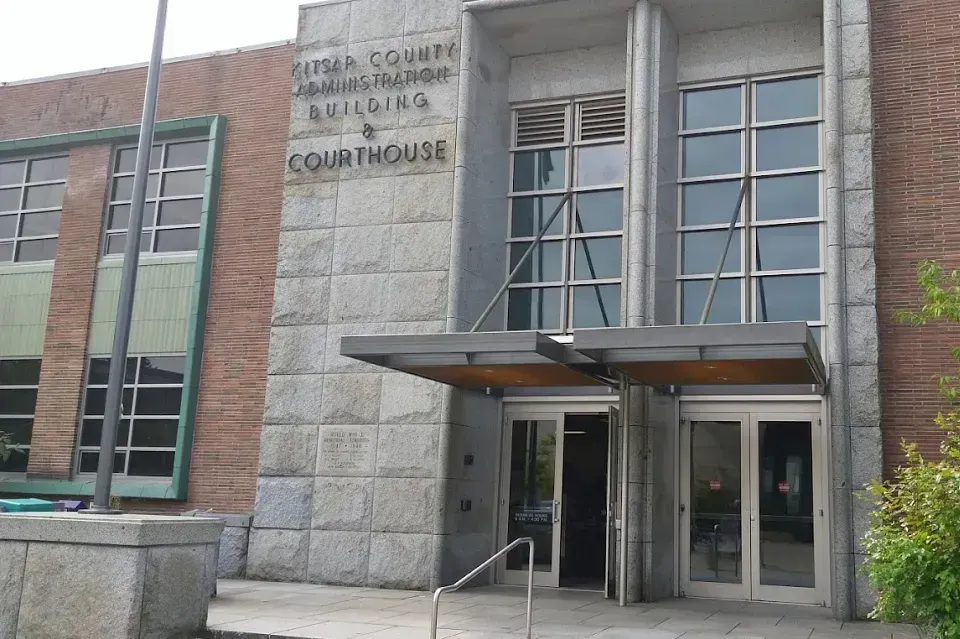
One request went to the Kitsap County Superior Court. The other went to Kitsap County itself.
Together, they are designed to answer the questions the page's own conduct has raised and its operator has not: By what standard were members of the public silenced? And on whose instruction?
What Happened Last Week
As The Olympic Herald reported Friday, comments left by members of the public on the "Judge Ferguson-Brown" page began disappearing on the evening of July 16.
By the following morning, Facebook's "limit who can comment" restriction had been applied across the page's posts, including a shared Washington Courts post inviting the public to "join the conversation."
The lockdown came one night after we published our investigation into Judge Cadine Ferguson-Brown's campaign finance history and a commentary examining mounting public criticism of her record.
On Friday afternoon, I sent a letter to Judge Ferguson-Brown, copying Kitsap County Superior Court Presiding Judge Jennifer Forbes, asking that the deleted comments be restored, the comment restrictions removed, and all records relating to the page's administration preserved in anticipation of potential litigation.
As of Tuesday, neither judge had responded. The records requests are the next step.
Why Two Requests
Washington law splits open government into two tracks, and this story sits directly on the seam between them.
The Public Records Act, chapter 42.56 RCW, is the state's broad disclosure law. It applies to state and local agencies, including counties.
But Washington's courts have long held that the judiciary itself is not an "agency" under the Act. Access to the administrative records of the courts is instead governed by a court rule, General Rule 31.1, which creates its own presumption of public access to "judicial administrative records" and its own procedures and exemptions.
So I filed both.
The GR 31.1 request, directed to the Superior Court's administrator and public records officer, seeks the court-side records.
The PRA request, directed to the public records officer in the county's Department of Administrative Services, seeks the county-side records: what county employees, from IT to risk management, have said and done about the page.
If February's events in Clallam County are any guide, the seam between the two systems is exactly where the answers tend to live.
When the Clallam County Superior Court used the same "limit who can comment" tool this February, then deleted its entire Facebook page within roughly 48 hours of unfiltered public criticism arriving, it was internal emails later obtained by the Herald, including a deputy court administrator's request that county IT "turn off ALL commenting immediately," that showed who asked for the shutdown, what they asked for, when, and why.
What the Herald Is Asking For
The request to the Superior Court seeks, among other things:
- Every comment deleted, hidden, or filtered from the page since January 1, 2026, including the text of each comment and when it was removed, with particular attention to July 16 through 20.
- The page's Facebook activity log or equivalent moderation records, including each application of the "limit who can comment" feature and the setting selected.
- Records identifying every person who holds, or has held, an administrator, editor, or moderator role on the page.
- Communications by Judge Ferguson-Brown, court staff, or other judicial officers concerning the management or moderation of the page, the "limit who can comment" feature, or public criticism and negative comments received on the page.
- Any court policy or training material governing judicial officers' use of social media.
- Records showing how content from the page has been retained, and, if anything responsive has been destroyed, when, how, and under what claimed authority.
The request to the county seeks county employees' communications referencing the page or the judge's retention-campaign website, any county policies on social media use by elected officials or judicial officers, and any complaints, inquiries, claims for damages, or tort claims the county has received concerning the page or the moderation of comments on it.
The Question Underneath the Requests
There is a threshold question buried in the court-side request, and the request forces it into the open.
The court could take the position that some or all of these records are not administrative records of the court at all, for example on the theory that the page is maintained by Judge Ferguson-Brown in a personal or campaign capacity, or that responsive materials are chambers records.
Our request anticipates that possibility and asks the court, if it takes that position, to state it expressly, in writing, and to identify which categories of records it covers.
That answer would itself be news.
The page operates under a judicial title. Facebook categorizes it as a "Public & Government Service."
Its description promises "justice to everyone in our community," and it republishes official Washington Courts content.
In Lindke v. Freed, decided in 2024, a unanimous U.S. Supreme Court cautioned that officials who fail to clearly designate a page as personal, and instead mix official content with everything else, expose themselves to greater potential liability for restrictions that sweep across the entire page.
A written claim that the page is personal or campaign property would put the court's position on record, alongside a page that nowhere describes itself that way.
The Clock Is Now Running
Both systems impose deadlines. Under GR 31.1, the court is to provide an initial response within five working days of receiving the request. Under RCW 42.56.520, the county has five business days to respond.
Why the Records Matter
In February, it was records that told the story of the Clallam County court page: the internal emails, the timestamps, the requests to IT. Facebook's notices announce what a page did and when.
Only records can show who did it and why.
To be clear about what I know and what I do not: I do not know who administers the Judge Ferguson-Brown page.
That is one of the things these requests are designed to establish. What is documented is what the page did, because Facebook's own notices announce it, and when the page did it.
Comment sections can be closed. Paper trails cannot. We will report what the records show.
↺ Republish this story
Our stories are free to republish, online or in print, under these rules:
- Credit The Olympic Herald and the author, and link back to this story.
- Don't edit the story except for style, length, or to update time references.
- If you republish online, use our canonical URL so search engines credit the original.
- Don't sell the story or use it primarily to sell advertising.
Questions? Contact us.